


Manufacturing of:
- All types of conveyor systems (Conveyor belt unit, Bucket elevators and screw systems) as well as all the spares required.
- Conveyor pulleys – as well as reconditioning thereof
- All types of Machine Guards – all shapes and sizes
- Base units for all sizes of motors, gearboxes, and pumps
- Hoppers
- Chutes
- Industrial handrailing
Reconditioning of:
- Farm- and earthmoving equipment
- All types of conveyor systems (Conveyor belt unit, Bucket elevators and screw systems) as well as all the spares required.
- Mixers
- Crushers
- Hoppers
- Chutes and re-lining
- Tube and plate feeders
- Industrial gearboxes

What is abrasive blasting used for?
Abrasive blasting is a surface pre-treatment that accurately removes rust and surface contaminants from various materials, even from the smallest nooks, leaving it ready for different types of coatings. It can also reduce the appearance of small imperfections on the item. Can be used on different materials such as metal, wood and concrete
When choosing abrasive blasting for your project, we can provide you with two options – wet blasting or dry blasting – depending on the specifications of your project. If required, different types of coatings can be applied, depending on the application for which the item is used.
Wet Abrasive blasting
What is wet/dustless blasting?
Dustless blasting or Wet blasting operates on a water blast principal. When paired with the correct abrasive medium, it can eliminate almost all dust usually caused by conventional dry blasting, making dustless blasting an environmentally friendly, and economic form of dust suppression.
Dustless blasting provides low dust, cost effective, efficient and powerful blasting as well as close control of the surface preparation.
Wet blasting can be done without affecting other projects done nearby such as in an industrial setting, and is also great for residential areas, where a low dust environment is preferable.
When used on metal, wet blasting can lower the temperature of the metal while the process is being performed, in contrast with the friction and heat dry abrasive blasting generates. This creates less chances of warping, especially on thin surfaces.
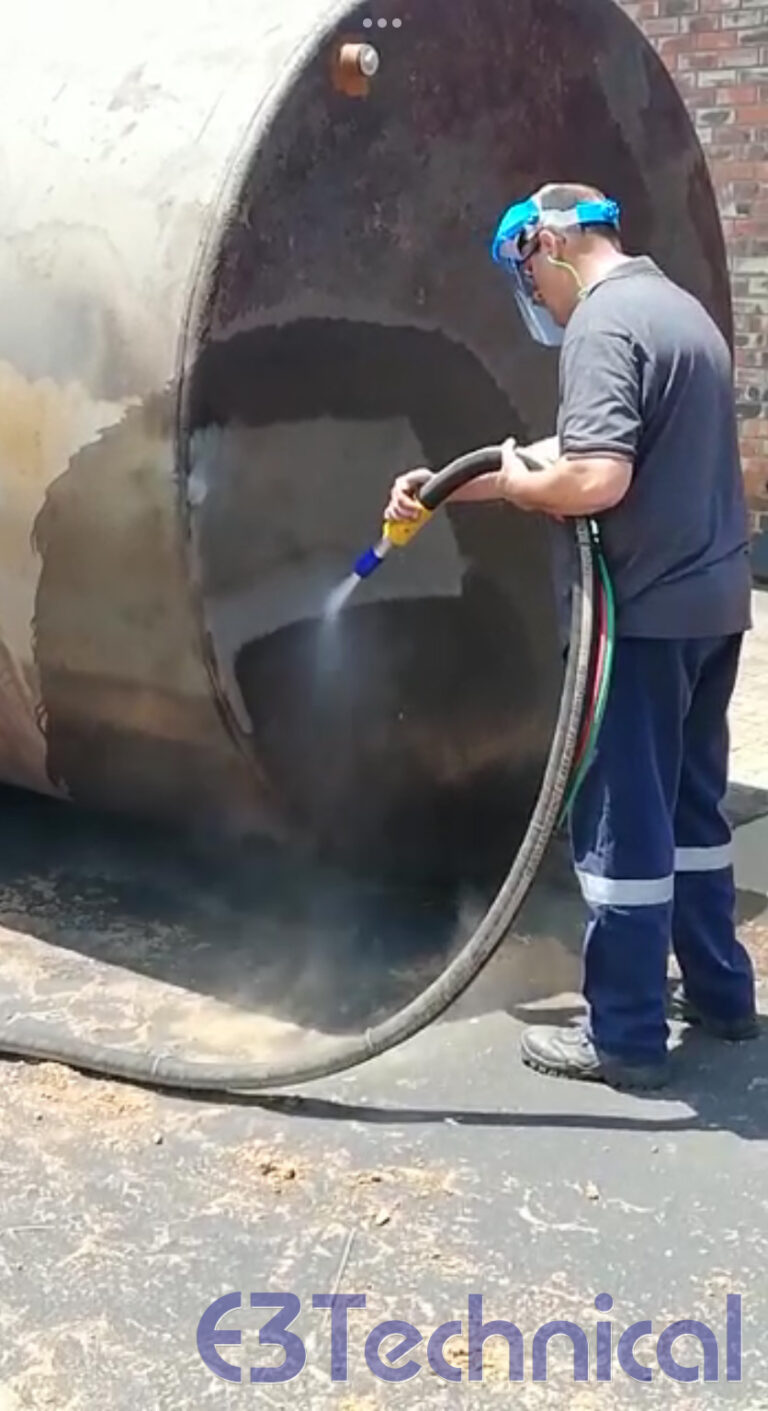
APPLICATIONS:
- Industrial environment, reducing the need for cocooning and on-site dust extraction
- Preparing farm- and earthmoving equipment for painting
- Residential
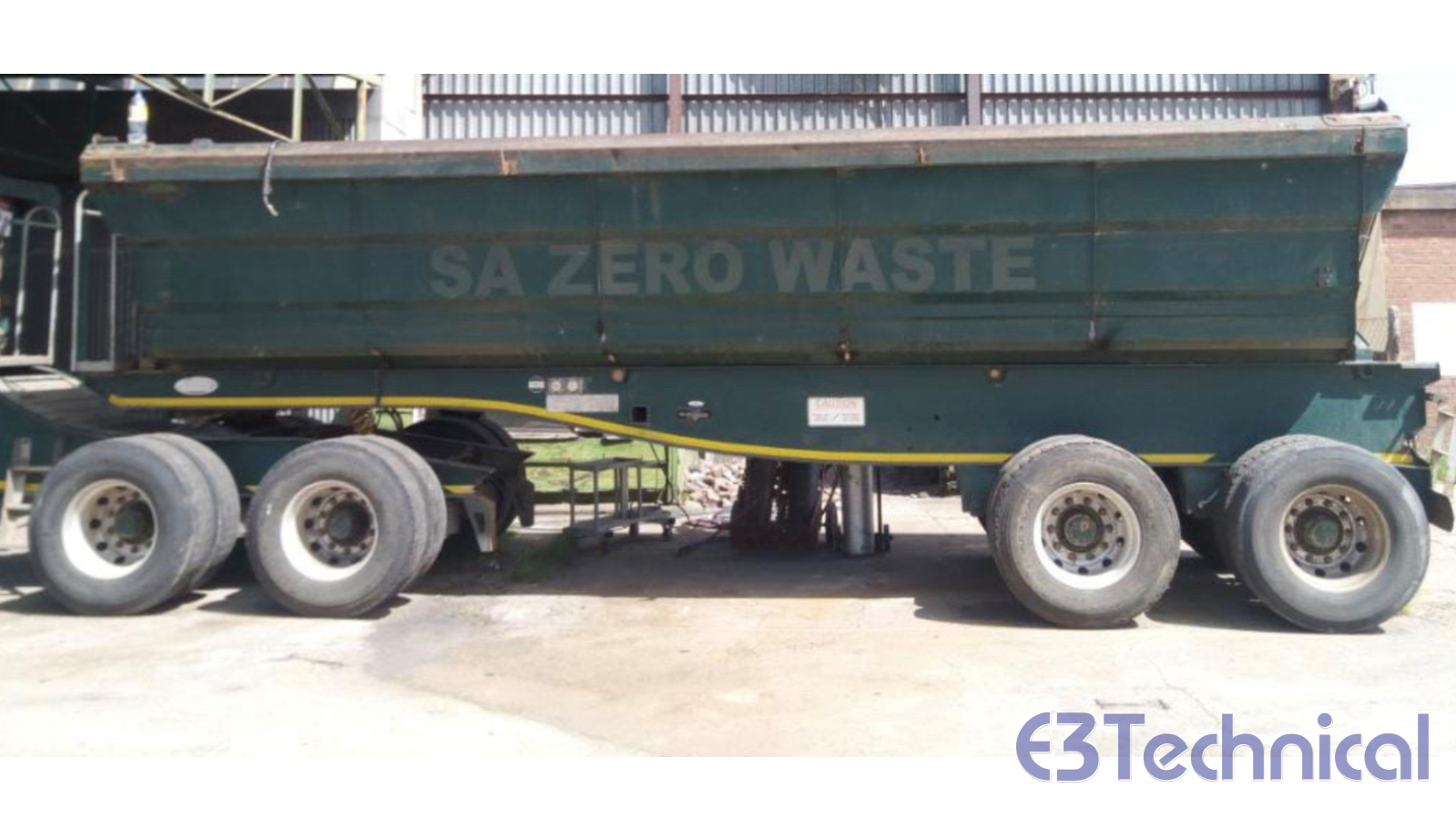
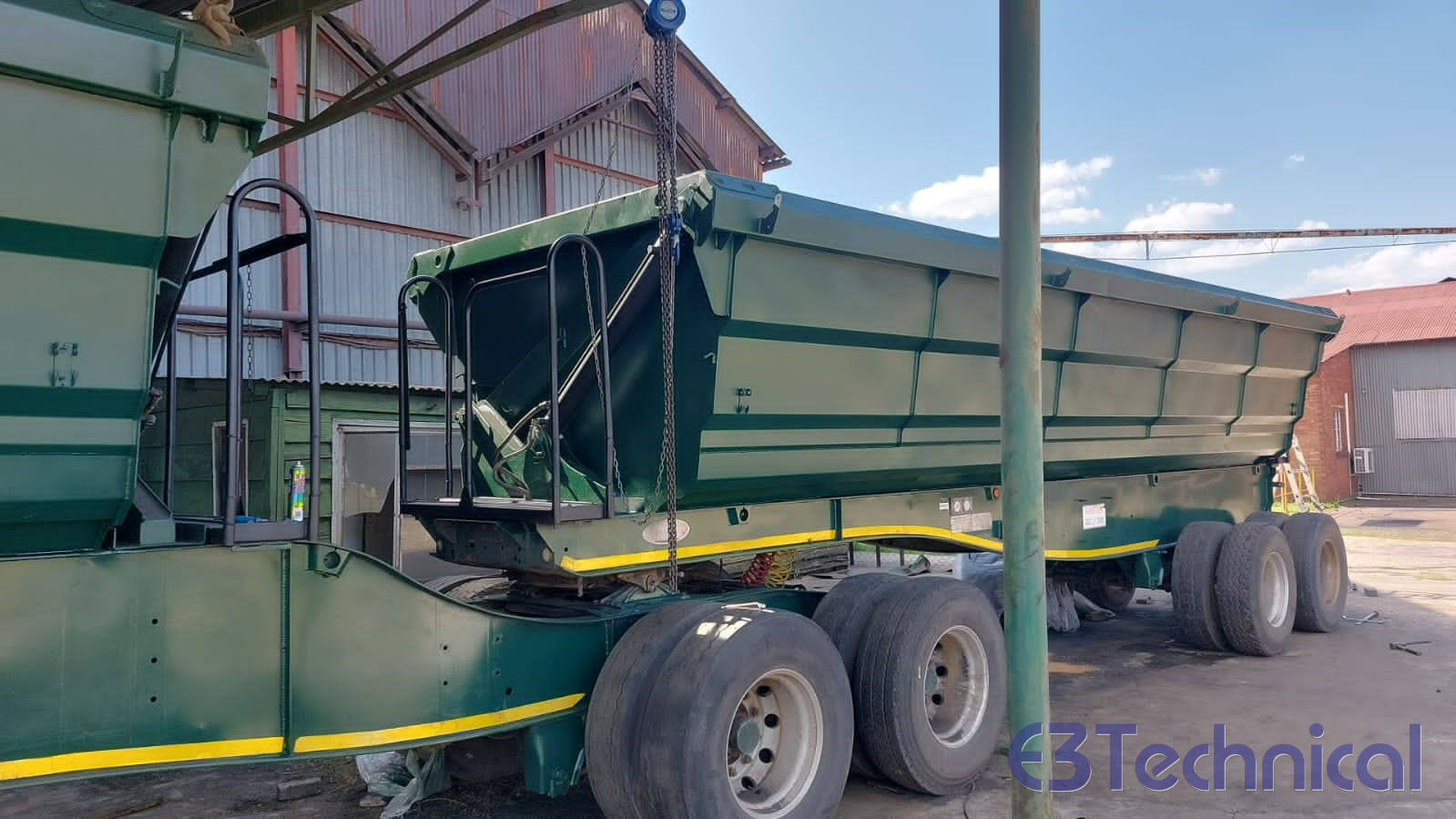

Dry abrasive blasting (Sandblasting)
What is dry abrasive blasting?
While dry blasting essentially provides the same outcome as wet blasting, there are a few differences.
Dry blasting does create a lot of dust, because of the air used to propel the abrasive medium onto the surface of the item. There are, however, some applications where dry blasting is better suited than wet blasting, for example when preparing surfaces to be powder coated or coated by certain other products, blasting of the inside op pipes, and removing paint or dirt from wood surfaces like log cabins.
We are extremely proud of our workmanship, which is of the highest quality. We are meticulous and deliver finished projects only once inspected thoroughly.

Complete the form if you need us to get in contact.

- Eric Esterhuizen - 083 677 5383
- eric@e3technical.co.za
- info@e3technical.co.za
-
Shop 7, Verref Capital Park
74 Barrage Road
Vereeniging